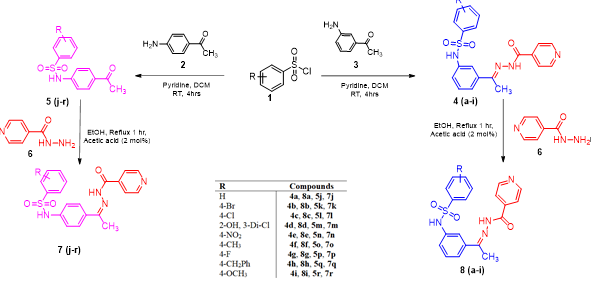
The rapid rise of antimicrobial resistance (AMR) has rendered many existing drugs increasingly ineffective, resulting in prolonged illness, higher mortality, and escalating healthcare costs worldwide. Alarmingly, projections indicate that by 2050, antibiotic-resistant infections could become the leading cause of death globally. Despite the urgent need, the discovery and development of new antibiotics remain a formidable challenge. The science is demanding, the research and development process is both lengthy and costly, and success rates are often low. Nevertheless, replenishing the clinical pipeline with novel antibiotics is critical to overcoming resistance.
Fungal infections represent another major, yet often underestimated, global health threat. Each year, they are responsible for millions of severe illnesses and deaths. Opportunistic pathogens such as Candida, Aspergillus, and Cryptococcus pose significant risks, particularly for immunocompromised individuals, including cancer patients, transplant recipients, and those living with HIV/AIDS.
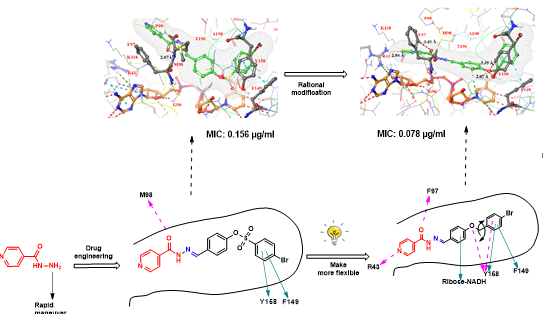
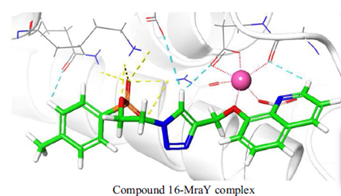
To address these challenges, our research leaps beyond conventional approaches through a Hybrid Chemistry strategy for designing multifunctional molecules capable of targeting key proteins and enzymes within microbial cellular machinery. This innovative approach provides smarter solutions to combat resistance. Central to our work is molecular modelling, which allows us to visualize and predict, at the atomic level, how novel drug candidates interact with their biological targets. This integration of computational and synthetic chemistry accelerates the discovery of next-generation antimicrobial agents.
Recent Projects:
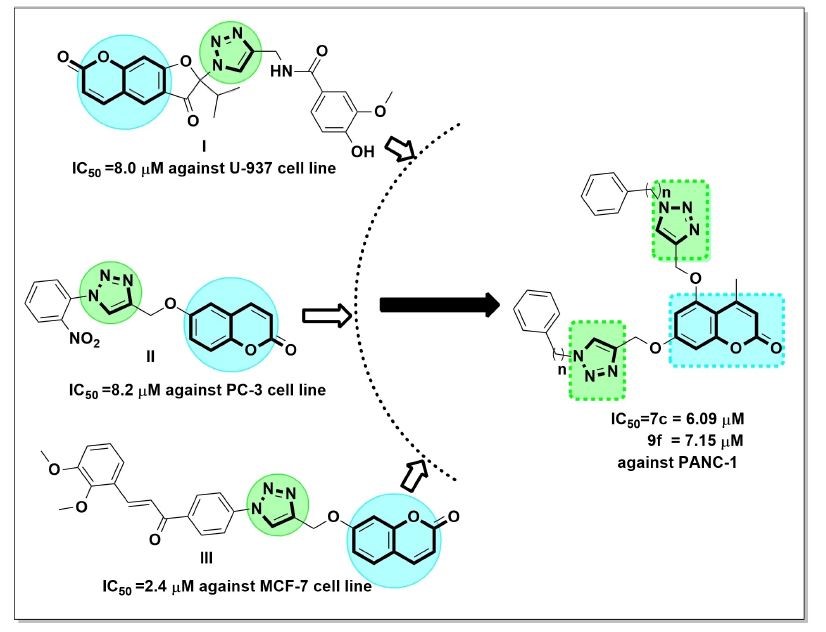
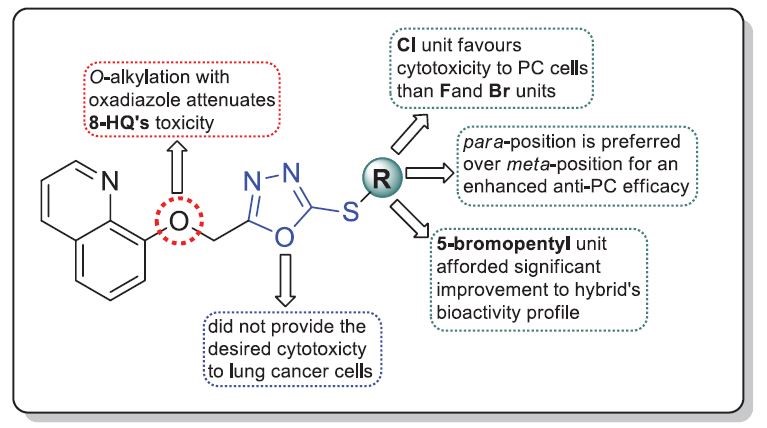
Cancer has become the leading cause of death worldwide, with the World Health Organization (WHO) estimating that by 2050 nearly 17 million deaths will be attributed to the disease. While many cancers are treatable or even curable, the therapies themselves are often physically and emotionally gruelling for patients. Side effects such as nausea, fatigue, severe infections, and organ damage remain common, and the rapid spread or mutation of cancer cells frequently leads to resistance against conventional drugs.
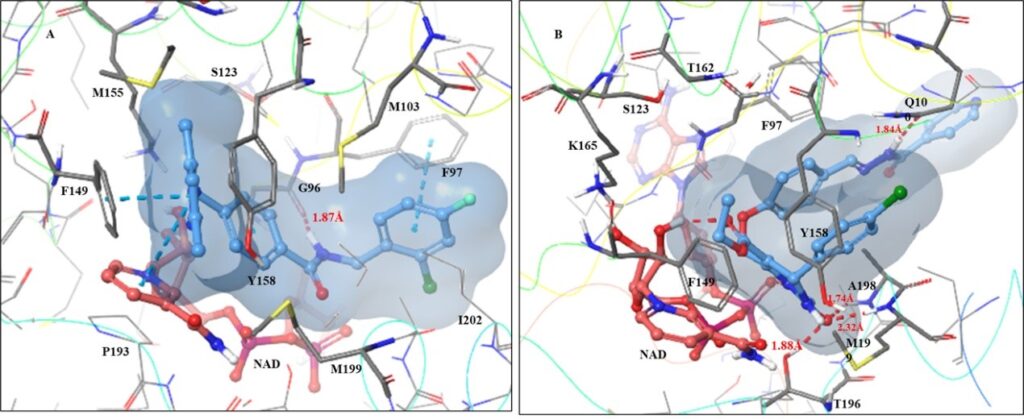
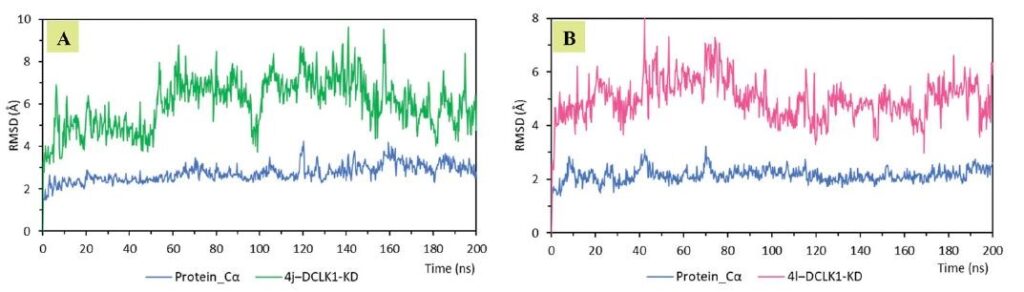
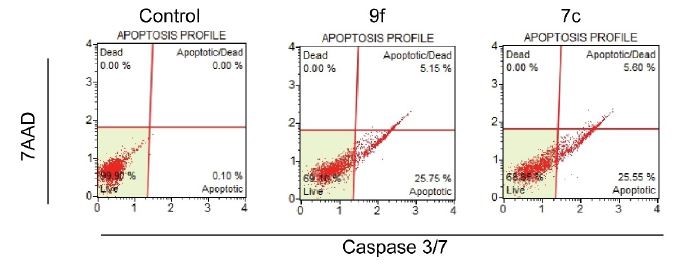
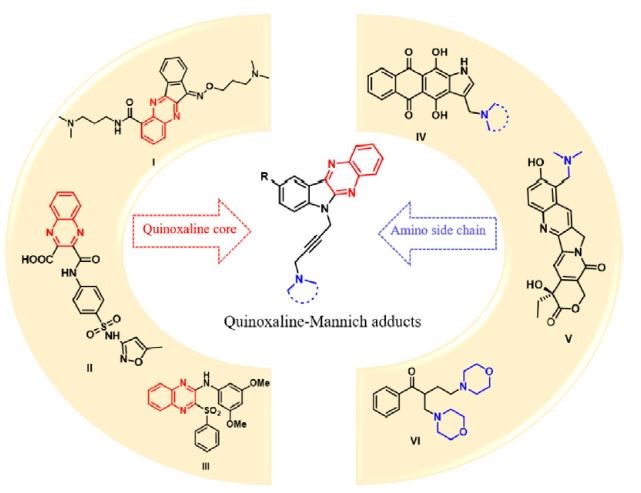
To address these challenges, the next generation of anticancer agents is being designed to be more selective, less toxic, and capable of overcoming drug resistance. These new therapies often work by targeting specific proteins in cancer cells that are critical for their growth and survival. Our group contributes to this effort by designing and synthesizing novel heterocyclic scaffolds and hybrid molecules, supported by molecular modelling to guide and predict biological activity at the molecular level.
Recent Projects:
Diabetes Mellitus (DM) is a chronic metabolic disorder marked by elevated blood glucose levels (hyperglycemia), arising from insufficient insulin secretion or impaired cellular response to insulin. Broadly, two main types of diabetes are recognized: Type I (T1DM), an insulin-dependent form that commonly affects young adults, and Type II (T2DM), a non–insulin-dependent form that represents nearly 90% of cases across all age groups, including children.
Two key enzymes play central roles in glucose metabolism:
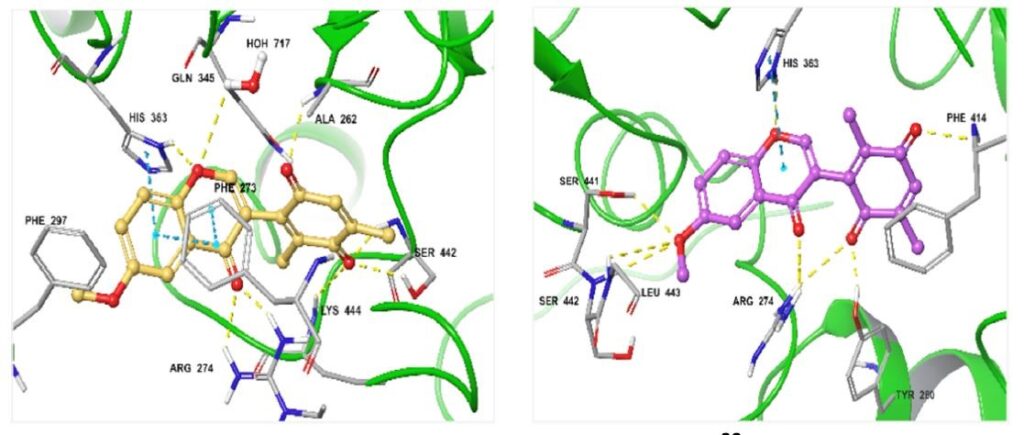
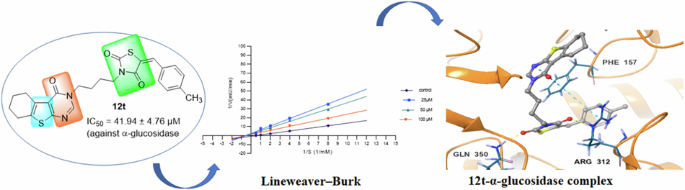
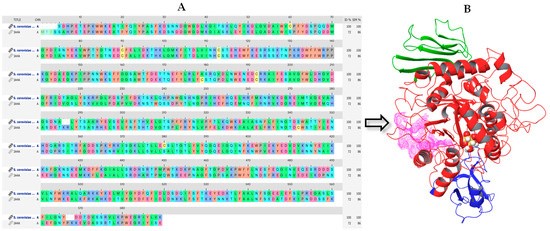
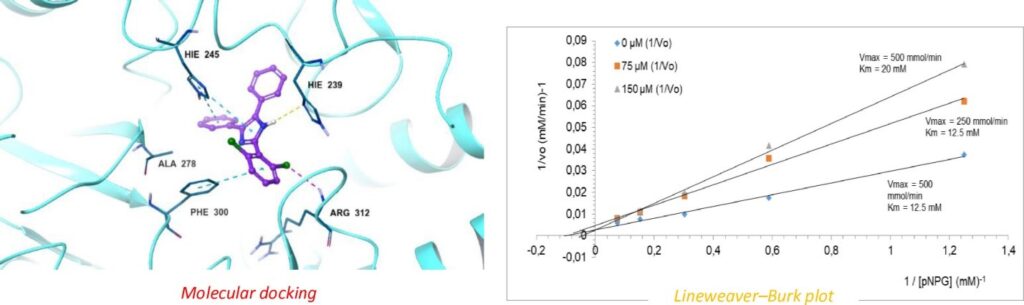
Our research focuses on a molecular hybridization strategy, which involves merging two or more established bioactive pharmacophore subunits into novel hybrid molecules designed to inhibit both α-glucosidase and α-amylase. These compounds are screened in vitro, followed by enzyme kinetic studies to elucidate their modes of inhibition. Their activities are further supported through molecular docking and molecular dynamics simulations.
In addition, we assess their antioxidant properties using DPPH and NO assays, and conduct computational investigations to evaluate their stability, reactivity, and drug-likeness profiles.
Recent Projects:


Green Chemistry applies a set of principles aimed at reducing or eliminating the use and generation of hazardous substances in the design, manufacture, and application of chemical products. Our research group focuses on sustainable methods that align with these principles, with particular emphasis on green solvents, sonochemistry, and mechanochemistry.
Deep Eutectic Solvents (DESs)
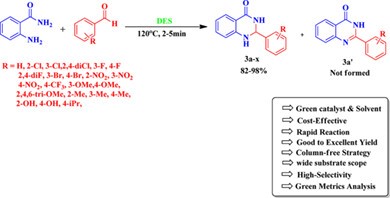
We are actively exploring Deep Eutectic Solvents (DESs), which have demonstrated excellent performance as both green solvents and green catalysts. DESs are eutectic mixtures prepared by combining two or more components in a specific molar ratio and heating them to form a liquid with a melting point lower than that of the individual components. Using DESs, our group is developing various carbon–carbon and carbon–nitrogen bond-forming reactions and applying these methodologies to broader synthetic transformations.
Sonochemistry
We also investigate the use of ultrasound waves in organic synthesis, a field known as sonochemistry. Ultrasound induces cavitation—the rapid formation and collapse of bubbles—creating localized high temperatures and pressures. This process enhances reaction rates, improves yields, and increases selectivity. Compared to conventional methods, sonochemistry promotes efficient mixing, enables reactions under milder conditions, and offers a green chemistry approach for processes such as coupling reactions and heterocycle synthesis.
Mechanochemistry
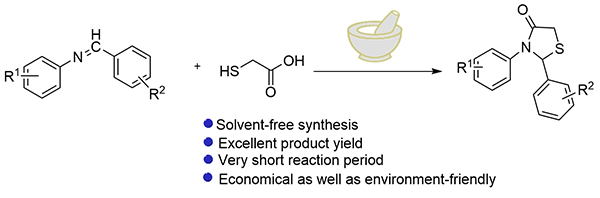
Another area of focus is mechanochemistry, an environmentally friendly method that uses mechanical energy (e.g., grinding or ball milling) to drive chemical reactions in the solid state. This approach significantly reduces or eliminates the need for toxic solvents, delivering faster reaction rates, higher yields, and access to transformations that are often challenging in solution. Mechanochemistry thus represents a sustainable strategy for advancing innovative organic synthesis.
Recent Projects: