

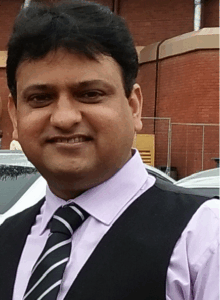
Prof. Parvesh Singh is an Associate Professor in the Discipline of Chemistry at the University of KwaZulu-Natal (UKZN), South Africa. He earned his Ph.D. in Organic Chemistry from Guru Nanak Dev University, India, in 2006. Following his doctoral studies, he worked as a Research Scientist in a pharmaceutical company, Jubilant Organosys (India), before undertaking a Postdoctoral Fellowship at Durban University of Technology (2008-2013). During this time, he was awarded the prestigious NRF Scarce Skills Fellowship and was recognized as one of South Africa’s emerging researchers by the NRF. In 2014, he joined UKZN as a Senior Lecturer and was promoted to Associate Professor in 2020.
Dr. Singh’s research focuses on the development of novel synthetic methodologies for designing innovative molecular frameworks aimed at combating several serious diseases, with particular emphasis on tuberculosis and diabetes. His scholarly output includes approximately 170 publications, including four books and two book chapters with reputed publishers, reflecting both the breadth and impact of his work.
In addition to his research, Dr. Singh is deeply involved in scholarly leadership and mentorship. He serves as Associate Editor for Chemistry Africa (Springer) and has represented the African continent as an Ambassador for Bentham Publishers. He has also acted as Guest Editor for several esteemed journals, including Pharmaceuticals, International Journal of Molecular Sciences, Molecules, and Frontiers in Chemistry. Over his career, he has received numerous university research awards for excellence in research and has successfully graduated 27 postgraduate students, while mentoring several NRF interns, Research Associates and postdoctoral fellows.

Sahil Mishra is a Post-doctoral fellow at the University of KwaZulu-Natal (UKZN) and leads the computational research efforts in Prof. Parvesh Singh’s research group. He is responsible for the in-silico design, modeling, and optimization of anti-tuberculosis (anti-TB) drugs, including isoniazid, pyrazinamide, and ethambutol, with the aim of developing potential lead compounds to combat drug-resistant strains of Mycobacterium tuberculosis. His work integrates molecular docking, molecular dynamics simulations, and structure-activity relationship analyses to rationally modify existing therapeutics and predict their efficacy and safety profiles.
Sahil obtained his Ph.D. in 2019 from Guru Nanak Dev University, Amritsar, India, where his research focused on [specific PhD focus if available, e.g., drug design or medicinal chemistry]. After completing his doctorate, he undertook a postdoctoral fellowship at CSIR–IHBT, gaining advanced training in computational and medicinal chemistry techniques. He subsequently joined Pharmaffiliates (CRO) in Panchkula, India, in June 2020, where he contributed to applied drug discovery projects and gained valuable experience in translating computational insights into experimental studies.
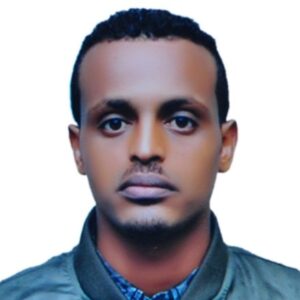
Dr. Demis is a Post-doctoral fellow in Chemistry at UKZN with over nine years of experience in teaching, research, and community engagement. His work centers on synthetic medicinal chemistry, particularly the design and synthesis of quinoline-based heterocyclic hybrids for treating communicable and non-communicable diseases.
He holds a BSc in Applied Chemistry, MSc in Organic Chemistry, and a PhD in Applied Chemistry (Organic Synthesis), with doctoral research focusing on green synthesis of heterocyclic hybrids using experimental and computational approaches.
His expertise spans synthetic route design, multi-step synthesis, spectroscopic characterization, biological assays, and computational techniques. His research interests include small molecule synthesis, PROTACs, molecular glues, and AI/ML-driven drug discovery.
Dr. Habtegiyorgies is a member of the Chemical Society of Ethiopia, the Computational Science & Engineering Society of Ethiopia, and the Royal Society of Chemistry.

Hlengikile is a Lecturer at the Durban University of Technology, Steve Biko Campus, and is currently pursuing her doctoral studies under the supervision of Prof. Singh at the University of KwaZulu-Natal. Her research focuses on the design and functionalization of thiazolone and benzylidene derivatives as potential antituberculosis agents, with a strong emphasis on heterocyclic chemistry and organic synthesis.
The scope of her doctoral work includes the development of efficient base-catalyzed condensations, heterocyclic modifications, and versatile O- and N-alkylation methodologies. These synthetic strategies are followed by the biological evaluation of the resulting compounds, particularly with regard to their potency as well as their absorption, distribution, metabolism, and excretion (ADME) profiles.
By integrating fundamental reaction methodology with applied drug discovery, her research aims to contribute to the development of selective, sustainable, and pharmacologically relevant small molecules. This dual focus not only advances the field of heterocyclic chemistry but also addresses the urgent global health challenge of tuberculosis, a disease of particular relevance in South Africa.
ORCID: https://orcid.org/0000-0003-1905-0377
Research Gate: https://www.researchgate.net/profile/Hlengekile-Lubanyana?ev=hdr_xprf
Google Scholar: https://scholar.google.com/citations?user=Xpr9ITQAAAAJ&hl=en&oi=ao
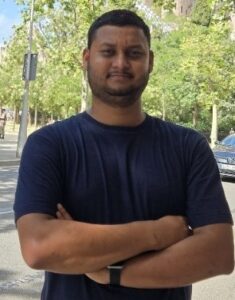
Ankit is a PhD researcher in Chemistry. His research centers on the structural modification of isoniazid (INH), a first-line anti-tubercular drug, to develop novel analogues with enhanced efficacy and reduced resistance. Looking ahead, I plan to expand my research to include quinazoline, Indole, and indazole scaffolds, which have shown promising biological activity in preliminary studies.
Gobind received his master’s degree in chemical sciences from I. K. Gujral Punjab Technical University, Kapurthala, Punjab 144603, India, in 2019. Currently, he is pursuing his PhD degree in the School of Agriculture and Science at the University of KwaZulu-Natal, under the supervision of Prof. Parvesh Singh and the co-supervision of Prof. Gaurav Bhargava. He is an awardee of the DSI-NRF-SA fellowship. His current research interest is focused on the design and synthesis of novel
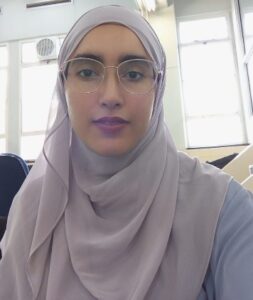
Safiyah is pursuing her doctoral research in Prof Singh’s research group. Her PhD research focuses on the design and synthesis of novel molecular hybrids that act as antitubercular agents. She is also employing different molecular modelling techniques to probe lead molecules for TB.
https://scholar.google.com/citations?hl=en&user=y4lDQIEAAAAJ

Mukanda is in the final stages of his PhD research on the synthesis and evaluation of novel hydrazone-based derivatives of isoniazid. He synthesizes diverse hydrazone analogues by condensing isoniazid with different aldehydes and ketones to enhance antimycobacterial activity. These compounds are tested in vitro against Mycobacterium tuberculosis strains, including drug-resistant isolates, to assess their efficacy as potential anti-tuberculosis drugs. His research includes structure–activity relationship (SAR) studies to understand how molecular modifications affect biological activity, aiding in the development of improved antimycobacterial therapeutics.

Lungisani has recently completed his MSc degree in Chemistry. His MSc research work was focused on developing novel quinoline-triazole-indoline-2,3-diones molecular hybrids using molecular hybridization as a systematic and multi-target drug design approach with the aim of developing improved biological activities compared to individual scaffolds. This was achieved by CuCAA click chemistry. The synthesized molecular hybrids exhibited some biological activity against various bacterial and fungal strains. He is currently busy registering for his PhD degree.
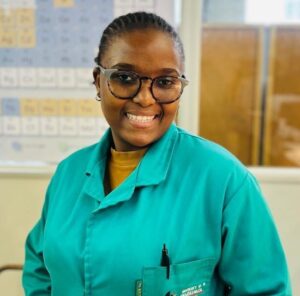
Nontobeko recently completed her MSc degree in Chemistry. Her research focuses on the development of rapid, greener synthetic methodologies for the synthesis of N-acyl hydrazones using Deep eutectic solvents. She is currently busy with the registration for her doctoral degree.
https://scholar.google.com/citations?hl=en&user=c7AZFLkAAAAJ
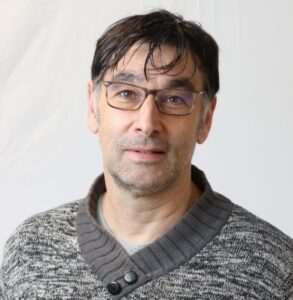
Dr. Laurent Kremer is a distinguished researcher and Director of Research (DR1) at INSERM, currently leading the team “Mycobacterial Pathogenesis and Novel Therapeutic Targets” at the Institut de Recherche en Infectiologie de Montpellier (IRIM), France. His team is dedicated to understanding the biology and pathogenesis of non-tuberculous mycobacteria (NTM), with a particular focus on Mycobacterium abscessus, and translating these insights into novel therapeutic strategies (https://www.irim.cnrs.fr/en/mycobacterial-pathogenesis-and-novel-therapeutic-targets-2/#tab-id-1).
Dr Kremer’s scientific journey began with an engineering degree in biotechnology from Strasbourg in 1991, followed by a PhD from the Pasteur Institute in Lille in 1995. He then pursued postdoctoral research at the Institut de Biologie de Lille, France (1996–1997), Colorado State University, USA, and the University of Newcastle-upon-Tyne, UK (1998–2000). In 2007, he earned the Habilitation to Supervise Research (HDR) from the University of Montpellier, consolidating his academic credentials and enabling him to lead independent research.
Over the course of his career, Dr Kremer has authored around 300 publications, encompassing original research articles, reviews, and book chapters in the field of mycobacteriology. His work bridges fundamental biology and clinical relevance, with recent achievements including elucidating the physiology and pathophysiology of M. abscessus, uncovering mechanisms of drug resistance, discovering new drug candidates, and characterizing their targets using genetic, biochemical, and structural approaches. His research also extends to studying the immunopathogenesis of NTM infections in the zebrafish model and exploring bacteriophage interactions with mycobacteria.
In recognition of his impactful contributions to the field, Dr Kremer received the European Respiratory Society (ERS) Research Award in 2019 for Innovation in Non-Tuberculous Mycobacteria Science and Medicine. His work continues to advance our understanding of NTM biology and contributes to the development of novel therapeutic approaches against these challenging pathogens.
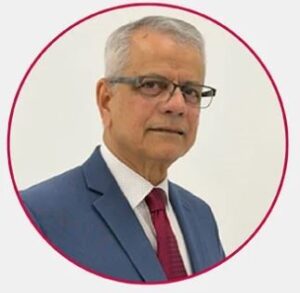
Dr. Ratan K. Chaudhuri is a visionary entrepreneur and thought leader in the personal care industry, with more than 35 years of pioneering experience. He is the Founder, former President, and CEO of Sytheon Ltd., a research-driven company dedicated to developing high-performance active ingredients that bridge the gap between marketing promises and scientific reality. Since establishing Sytheon in 2006, Dr. Chaudhuri has remained at the forefront of innovation in skin and hair health.
Born and raised in India, Dr. Chaudhuri pursued his undergraduate studies in pharmacy before earning his Ph.D. from Banaras Hindu University in 1973. His academic journey continued at leading global institutions, including the University of Bonn (Germany), the Swiss Federal Institute of Technology (Switzerland), and the University of Wisconsin–Madison (United States).
He began his industrial career in 1985 with ISP Chemicals and went on to serve as Technical Director of Personal Care at EMD Chemicals (an affiliate of Merck KGaA, Germany) from 1996 to 2006. Today, he is Chief Innovation Officer at Hallstar and Founder & CEO of CuralysMD Dermaceuticals.
Throughout his career, Dr. Chaudhuri has pioneered numerous breakthrough technologies, including Sytenol® A (Bakuchiol), Synovea® HR, Synoxyl® AZ, and Epi-G-Synol® Z DBL—each advancing skin health through clinically validated, biology-driven innovation. His most recent ventures include CuralysMD™, a paradigm-shifting platform for treating atopic dermatitis, and Synoxyl® MAZ, a category-defining advancement in hair care.
Dr. Chaudhuri holds more than 140 U.S. patents and 350 international patents and has authored over 100 peer-reviewed publications. Recognized worldwide, he is celebrated for his ability to translate complex science into transformative consumer solutions rooted in integrity, purpose, and long-term value.
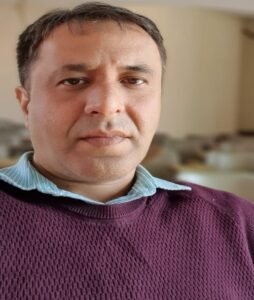
Dr. Vipan Kumar is a Professor in the Department of Chemistry at Guru Nanak Dev University (GNDU), India. He earned his Ph.D. in heterocyclic synthesis and subsequently pursued postdoctoral research at the Institute of Infectious Diseases, University of Cape Town (UCT), South Africa, in 2007. Dr. Kumar joined GNDU in 2009 as an Assistant Professor and has steadily advanced in his academic career, attaining the rank of Professor in 2024. In recognition of his research excellence, he was awarded a research fellowship by the Carls Trygger Research Foundation in 2015.
Dr. Kumar’s research is centered on developing innovative synthetic methodologies to design novel molecular frameworks for combating Neglected Tropical Diseases, with a particular focus on malaria and tuberculosis. His work has led to over 160 research publications, which have collectively garnered more than 5,000 citations, reflecting the high impact and relevance of his contributions to medicinal chemistry and drug discovery.
Beyond his research, Dr. Kumar is actively engaged in scholarly leadership and mentorship. He serves as Associate Editor for the Pharmaceutical Sciences section of Heliyon (Cell Press), and is a member of the Editorial Boards of ACS Medicinal Chemistry Letters and Results in Chemistry. Additionally, he contributes to the professional development of emerging scientists through the ACS Early Career Mentorship Program, guiding the next generation of researchers in the field.
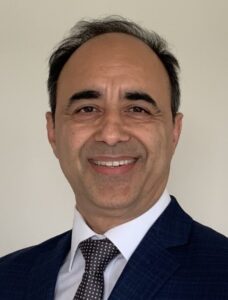
Dr. Arun Sharma is a Professor in the Department of Molecular and Precision Medicine, Penn State College of Medicine, and director of the Penn State Cancer Institute’s Organic Synthesis Shared Resource. He is an accomplished bioorganic and medicinal chemist with experience in cancer biology. The primary focus of his research is on the design and development of novel small drug-like molecules as potential cancer therapeutic and preventive agents and elucidating their efficacy and mechanism of action in various in vitro and in vivo cancer models. Dr. Sharma’s lab also uses AI/ML-based molecular modeling/virtual screening tools that are critical to rationally design targeted small druglike molecules. His lab has contributed extensively to developing novel organo-selenium compounds, natural product analogs, and targeted agents, as well as improving the efficacy and drug-likeness of lead molecules and current standard of care drugs. Collectively, these efforts have led to the development of some potent anti-cancer agents and an understanding of their effectiveness, toxicity, pharmacokinetics, and mechanisms of action.

Dr Gaurav Bhargava has received his Ph.D degree from Guru Nanak Dev University (2007) Amritsar, India. Dr. Bhargava spent one and half year at Universidade de Santiago de compostela at Spain as a post-doctoral fellow & another one and half year at Chem Master International Inc. at SUNY, Stonybrooks, USA as a Research Scientist. He returned to India to join as an Assistant Professor at I. K. Gujral Punjab Technical University, Kapurthala (IKGPTU), India where he now serves as a Professor. At the IKGPTU, he initiated a thriving research program in organic chemistry, with research focusing on transition metal-catalyzed higher order cycloadditions. He contributed to developing newer synthetic methodologies for [3+2+2] cycloaddition involving cyclopropane. These studies have led to the synthesis of complex bi- and tricyclic systems, advancing the understanding of reaction mechanisms and applications in organic chemistry. A part of his research work involved the synthesis, biological evaluation and synthetic transformation of functionalized mono- and polycyclic β-lactams and pyrimidinones. He supervised 6 Ph. D. students and published more than 120 papers reflecting his contribution in advancement of chemical sciences. Dr. Bhargava has been awarded DST Young Scientist award by the Department of Science & Technology, Govt. of India and also awarded Visiting scientist fellowship at Chemnitz University, Germany by DFG, Germany. He is reviewer of numerous international journals and an Associate Editor of a journal Frontiers in chemistry. Dr. Bhargava has also been involved in different academic and administrative responsibilities. He is serving as Head of the Chemistry and Food Science department at IKGPTU. Dr. Bhargava is also acting as Dean (Planning & External Programs) and Dean (Faculty Welfare) at IKGPTU. Dr. Bhargava is the chairman of the BoS (Chemistry), IKGPTU, Kapurthala.
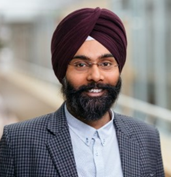
Priv.-Doz. Dr. rer. nat. habil. Sukhdeep Singh is Head of the Research Group Bioorganic Chemistry for Bioactive Surfaces at the Institute of Chemistry and Biotechnology, Technische Universität Ilmenau, Germany. His research focuses on the design of innovative bioorganic materials, functional surfaces, and chemical systems for applications in biotechnology, materials science, and environmental protection.
He has pioneered work on stimuli-responsive and photo-switchable molecules for constructing molecular electronic devices with sensoric and memory storage applications, as well as waste plastic upcycling into bioactive compounds and functional materials. His contributions in developing command-based bioactive surfaces have been internationally recognized, including citations by Nobel laureate Prof. Bernard L. Feringa.
Dr. Singh has secured competitive research funding exceeding €2.7 million from the German Federal Ministry of Education and Research (BMBF) and industry partners. He has built extensive interdisciplinary collaborations with leading research groups in Germany, Europe, South Africa, and India.
An experienced academic leader, Dr. Singh serves on multiple advisory councils at TU Ilmenau, contributes to international cooperation initiatives, and provides expert guidance to industry partners. He has supervised numerous doctoral, master’s, and bachelor’s students, fostering the next generation of scientists in chemistry and biotechnology.
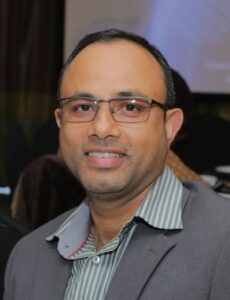
Professor Santhosh Pillai is an NRF C2-rated researcher and Associate Professor in the Department of Biotechnology and Food Science at the Durban University of Technology (DUT). With over 15 years of experience in higher education, he has lectured on a broad spectrum of specialised subjects at both undergraduate and postgraduate levels, including mycology, bacteriology, and fermentation science.
Prof. Pillai’s research expertise lies at the intersection of biotechnology, microbiology, and environmental sciences. His work focuses on Biomass valorisation for bioenergy and high-value bioproducts, Bioactive proteins and peptides from microbial and marine sources for industrial applications, Microbial antagonists and their metabolites for food and feed preservation, Bioremediation of environmental pollutants and Microbiome analysis of fermented foods.
Being a committed supervisor and academic leader, Prof. Pillai has played a pivotal role in postgraduate capacity building. To date, he has successfully graduated 3 PhD and 10 Master’s students, mentored 3 postdoctoral fellows, and trained 5 HSRC interns. Currently, he supervises 8 PhD and 9 Master’s students, while continuing to mentor 3 postdoctoral fellows and 2 interns.
His scholarly output underscores his significant research impact, comprising over 65 publications in high-impact peer-reviewed journals, 14 book chapters, and nearly 50 presentations at national and international conferences. His work has been widely cited, achieving an h-index of 23 with more than 2,750 citations. He also contributes extensively to academic service as an NRF panel member, external examiner and reviewer for several universities, evaluator for national and international funding agencies, and peer reviewer for over 50 ISI-listed journals. Additionally, he holds editorial roles with leading journals, including 3Biotech and Frontiers in Microbiology.
Prof. Pillai actively fosters international research collaboration as a core member of the BRICS research consortium. He has established strategic partnerships with top institutions, nationally including the ARC, CSIR, CPUT, NICD, TIA, UKZN and internationally with the University of Minnesota (USA), Northwest A&F University (China), CSIR-NIIST (India), Kazimierz Wielki University (Poland), Slovak Academy of Sciences (Slovakia), and the Federal University of Paraná (Brazil)
His research has secured competitive funding from prominent agencies such as the ARC, TIA, and NRF. In recognition of his academic excellence and scientific contributions, Prof. Pillai has received multiple Faculty and Institutional awards.
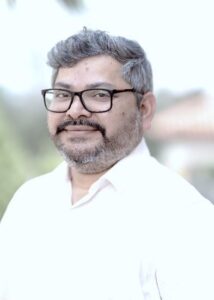
Dr Vinayak Singh obtained his PhD in Biochemistry from University of Lucknow/ CSIR-Central Drug Research Institute, Lucknow. At University of Cape Town, he leads the tuberculosis (TB) and ESKAPE pathogens’ biology research. Being an artist of Molecular networks, Genomics and Metabolomics, his main interest is to deconvolute the mechanism of resistance and action of potential compounds – to fulfil a broad and acute interest in the discovery of new innovative drugs. He is known for a body of work that revolutionizes our understanding of Mycobacterium tuberculosis metabolism and physiology. Additionally, his academic group’s primary research focus is on discovering and developing novel therapeutic strategies to combat priority pathogens (M. tuberculosis, Klebsiella pneumoniae, and Acinetobacter baumannii).
Dr. N.J. Gumede is a Senior Lecturer in Organic Chemistry at Walter Sisulu University (WSU). He received his Doctorate in Chemistry from Durban University of Technology in 2016, under Professor K Bisetty and Professor Salvador Sagrado from the University of Valencia. With 17 years of experience in teaching, research, and administrative roles, he collaborates with Professors Parvesh Singh (UKZN), Winston Nxumalo (UL), Samantha Gildenhuys (UNISA), and Drs. Bakusele Kabane (DUT) and Fortunate Mokoena (NWU) in South Africa. He maintains international collaborations with Dr. Alfredo Budillon (Institute Pascale – Italy), Professors Jan de Lorenzi (Mckenzie Presbyterian University – Brazil), and Khalid Karrouchi (Mohamad V University – Morocco). Dr. Gumede has secured intellectual property rights for patents on prostate and breast cancer. He co-supervised 3 MSc students from the University of Limpopo and Northwest University, who graduated in 2021, 2023, and 2024. He currently supervises two MSc students and one PhD student at WSU, co-supervises a Ph.D. candidate from UL, and hosts one Postdoctoral Research Fellow at WSU. His research is funded by the RSA-NRF/Italy Bilateral Grant and NRF’s Competitive Program for Rated Researchers (CPRR). Dr. Gumede has a Scopus h-index of 9 and Google Scholar h-index of 10, reflecting his research impact. His team uses High-Performance Computing to design and predict binding modes and affinities of new molecular entities (NMEs) for various diseases. These NMEs are prioritized for synthesis at WSU and assessed for biological activities by collaborating researchers. He has published 27 research articles in international journals.

Dr. Talent Raymond Makhanya is a Senior Lecturer in the Department of Chemistry at the Durban University of Technology, where he earned his PhD in Chemistry. His expertise lies in organic synthesis and natural products, with a particular focus on designing and characterizing new heterocyclic molecules such as naphthyridines, pyrazoles, indole–pyrazoles, quinolones, steroidal derivatives, thiazoles, coumarin–pyrazoles, and amino-phosphonates. These compounds are investigated for their potential as novel therapeutic agents, either as standalone treatments or in combination therapies for life-threatening diseases. Beyond conventional synthetic approaches, Dr. Makhanya is deeply involved in developing innovative methodologies, especially multicomponent reactions, to enable faster and more efficient drug discovery. His work also extends to collaborations with traditional practitioners, where he explores indigenous plants for their phytochemical properties and contributes to translating this knowledge into commercially viable products.
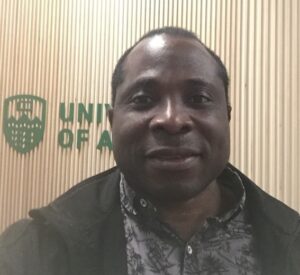
Dr. Azeez Adebayo Adeniyi served as a Research Assistant under the supervision of Professor Parvesh Singh in 2020, where he contributed significantly to international research collaborations involving scientists from South Africa, the USA, and India. Prior to his current appointment at the University of Alberta as a Visiting Professor in the School of Pharmacy and Pharmaceutical Sciences, he held academic positions at the Federal University Oye-Ekiti, advancing from Senior Lecturer to Associate Professor of Chemistry. A highly driven and innovative researcher, Dr. Azeez is expanding his research expertise in Computer Science, applying advanced computer modelling and machine learning to traditional chemistry research to enhance efficiency and reducing costs. He is actively engaged in several collaborative research projects with Prof Singh, performing Density Functional Theory (DFT) calculations to complement experimental studies. His computational work focuses on elucidating transition states in chemical reactions and exploring the properties of metal complexes, thereby bridging theoretical and experimental chemistry.
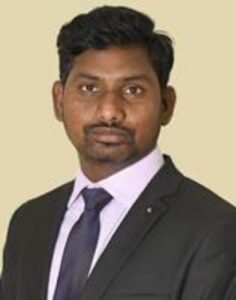
Dr. Nagaraju Kerru is an Assistant Professor of Chemistry at GITAM University, Bengaluru, India. He pursued his postdoctoral research under Prof Parvesh Singh from 2016 to 2018, during which he focused on exploring the synthetic potential of [2+2], [4+2], and [3+1] cycloaddition reactions. His work involved the design and optimization of novel reaction conditions, the synthesis of complex molecular scaffolds, and detailed investigations into the mechanistic aspects of these transformations.
Through this research, Dr. Kerru contributed to the development of efficient and selective methodologies for constructing diverse heterocyclic compounds, many of which possess potential applications in medicinal chemistry. His expertise lies in synthetic organic chemistry and heterocyclic design, with a strong interest in developing new strategies for the creation of bioactive molecular frameworks

Dr. Paul Awolade began his postdoctoral research career in the Department of Chemistry at the University of KwaZulu-Natal (UKZN), South Africa, where his work was centered on the design, synthesis, and biological evaluation of quinoline-based heterocycles. His research specifically employed the Copper-Catalyzed Azide–Alkyne Cycloaddition (CuAAC) “click” methodology to generate triazole linkers that conjugated quinoline scaffolds with diverse pharmacophores. Through this approach, he was able to synthesize novel molecular hybrids and evaluate their antimicrobial activities against a broad spectrum of bacterial and fungal strains, successfully identifying several compounds with potent activity and promising therapeutic potential.
During his tenure at UKZN, Dr. Awolade gained extensive expertise in heterocyclic chemistry, drug design, structure–activity relationship studies, and antimicrobial drug discovery, while also contributing to publications and collaborative research initiatives in medicinal chemistry.
Currently, Dr. Awolade is a Postdoctoral Fellow at the Skaggs School of Pharmacy, University of Colorado (USA), where he is advancing his research in synthetic and medicinal chemistry.

Dr. Lalitha Gummidi obtained her Ph.D. in Chemistry (2020) from the University of KwaZulu-Natal, South Africa, where she developed novel heterocyclic frameworks via [2+2] and [4+2] cycloadditions with applications in medicinal chemistry. Her work included the stereoselective synthesis of β-lactam, thiadiazole–thiazolidinone, and oxadiazolo-pyrimidinone hybrids, supported by DFT and X-ray crystallography, several of which showed potent antidiabetic and anticancer activities. She later pursued postdoctoral research at Indiana University Bloomington with Prof. Nicola Pohl, focusing on glycopeptide and oligosaccharide synthesis using manual, flow-based, and fully automated methods. She developed scalable synthetic protocols, Python-programmed automated workflows, and integrated glycosylation with continuous-flow purification, advancing automated carbohydrate synthesis platforms. Currently, Dr. Gummidi is a Senior Scientist at TCG GreenChem Inc., New Jersey (USA), where she applies her expertise in process and flow chemistry to design scalable and sustainable synthetic routes for pharmaceutical intermediates and drug candidates.

Dr. Pule Seboletswe just completed his Ph.D. in Chemistry with research focused on the design and synthesis of dual antidiabetic and antioxidant agents. His work centered on developing thiazolidinone-based derivatives coupled with diverse pharmacophores, leading to three series of novel compounds: 4-thiazolidinone Schiff bases, thienopyrimidinone-thiazolidinedione derivatives, and pyrazolopyrimidinone-thiazolidinedione derivatives. These compounds were evaluated for biological activity, with kinetic studies performed to determine their modes of inhibition and computational modeling applied to study molecular interactions with biological targets. Several derivatives emerged as promising α-glucosidase and α-amylase inhibitors, while others exhibited strong antioxidant activity. His doctoral work resulted in multiple peer-reviewed publications, including original research and reviews. Currently, Dr. Seboletswe is a Researcher at Chemical Process Technologies, where he specializes in process development for the synthesis of active pharmaceutical ingredients (APIs) using flow reactor technology, contributing to the advancement of efficient and sustainable pharmaceutical manufacturing.

Dr. Sanjeev Dhawan is a Senior Research Scientist at the Mankind Research Centre, where he plays a key role in new drug discovery. He obtained his Ph.D. in Chemistry under the supervision of Prof. Parvesh Singh, focusing on molecular hybridization as a multi-target drug design strategy. During his doctoral studies, he used coumarin as the core pharmacophore to synthesize a series of coumarin–azole hybrids, including 1,3,4-oxadiazole and 1,2,3-triazole derivatives. These compounds were evaluated for their anticancer and antimicrobial activities, leading to the identification of several promising lead candidates. His research integrated synthetic organic chemistry, structural characterization, and biological evaluation, contributing to the discovery of novel scaffolds for therapeutic development.
At the Mankind Research Centre, Dr. Dhawan continues to specialize in synthetic medicinal chemistry, dedicating his efforts to the design and development of target-based novel clinical candidates. His work reflects a strong commitment to advancing innovative solutions in drug discovery.
Dr. Vishal Kumar completed his Ph.D., focusing on novel and sustainable strategies for synthesizing pharmacologically versatile benzoxazole and benzothiazole scaffolds via transamidation. His doctoral research emphasized environmentally friendly methodologies employing both metal and non-metal catalysts for heterocyclic compound synthesis, contributing to drug discovery through the creation of bioactive heterocycles. Notably, he developed libraries of Dehydrozingerone (DZG)-azetidinone/β-lactam hybrids exhibiting promising anticancer potential. His work also encompassed C–H activation strategies, expanding the toolbox for constructing complex heterocycles efficiently.
Currently, Dr. Kumar serves as a Senior Research Scientist at Covvalent (India), where he continues to apply his expertise in synthetic organic chemistry, heterocyclic design, and medicinal chemistry. His research integrates green chemistry principles with the development of bioactive small molecules for therapeutic applications.

Dr. Neha Manhas is a medicinal chemist specializing in heterocyclic chemistry and drug discovery. She earned her Bachelor’s degree in Pharmacy from Sri Sai College of Pharmacy, India, before moving to South Africa in 2013. She completed her MSc in Chemistry at the Durban University of Technology (DUT) in 2014 and obtained her PhD in Chemistry from the University of KwaZulu-Natal (UKZN) in 2020.
Her doctoral research focused on the design and synthesis of quinazolines and quinazoline-4-ones, including molecular hybrids featuring pharmacophores such as 1,2,3-triazole and thiophene. These compounds were thoroughly characterized using spectroscopic techniques and evaluated for antibacterial and anticancer activities, yielding several promising leads. Computational studies, including molecular docking and ADMET predictions, supported her experimental findings.
From 2023 to 2025, Dr. Manhas completed a postdoctoral fellowship at DUT, where her research centred on sulfur-containing heterocycles as antioxidant and antidiabetic agents in collaboration with Prof Singh.
She has published 22 peer-reviewed articles and has presented her work at national and international conferences. Her current research interests lie in developing novel heterocyclic scaffolds targeting Mycobacterium tuberculosis, addressing the urgent need for new therapeutics against drug-resistant TB in Africa.

Dr. Baji Baba Shaik recently completed his Ph.D. in Chemistry from UKZN, where his research was dedicated to the design, synthesis, and biological evaluation of novel quinazoline and quinoline derivatives as potential antitubercular agents. His work specifically targeted Mycobacterium tuberculosis DNA gyrase, a key enzyme in TB pathogenesis. Several of the synthesized compounds demonstrated potent in vitro activity against Mtb H37Rv, MDR, and XDR-TB strains, along with notable activity against selected bacterial and fungal pathogens. His research further advanced the development of quinazoline-based hybrids as promising DNA gyrase inhibitors for the treatment of tuberculosis.
Currently, Dr. Shaik is a Postdoctoral Fellow at Dr. Reddy’s Institute of Life Sciences (DRILS), Hyderabad, India, where he continues to pursue his interests in synthetic medicinal chemistry and drug discovery. His work contributes to the identification of novel scaffolds with therapeutic potential, particularly for infectious diseases such as tuberculosis.
| Full Name | Degree |
|---|---|
| Ms. Nosipho Cele | PhD |
| Mr Buhari Magaji | PhD |
| Ms Yashmika Jeon | PhD |
| Ms Oluwkemi O. Ebenezer | PhD |
| Ms Ashona Singh | |
| Ms Parul Sharma | PhD |
| Ms. Hlengiwe G. Ndaba | PhD |
| Ms Prishani Kisten | MSc |
| Mr Sanele Shange | MSc |
| Mr Joel Mavuso | MSc |
| Ms Thalia Naidoo | MSc |
| Ms Serisha Mothilal | MSc |
| Ms Thandokazi Andiswa | MSc |
| Ms Nomandla Ngcoya | MSc |
| Mr Thabani Mpanza | MSc |
| Ms Sne Khulu | MSc |
| Mr Harmeet Singh | MSc |