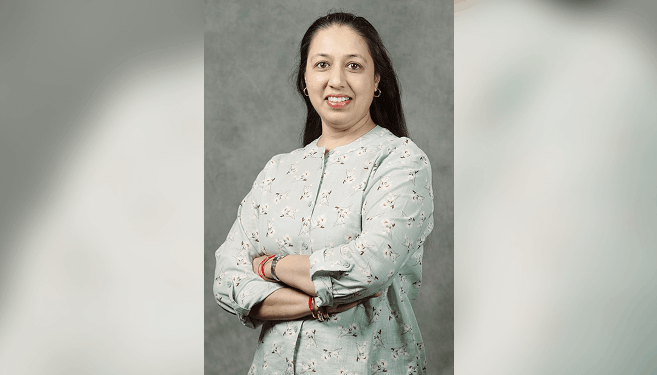
Professor Brenda Moodley’s inaugural lecture, titled: ‘The Thirst for Clean Water’, highlighted her research into emerging organic pollutants and the development of nanomaterials for removal and degradation.
A full professor in the Discipline of Chemistry at the University of KwaZulu-Natal’s (UKZN) College of Agriculture, Engineering and Science (CAES), Moodley focused her research on analytical environmental chemistry, particularly emerging organic pollutants in various environmental matrices.
Her research analysed polychlorinated biphenyls (PCBs), pesticides, pharmaceuticals such as antibiotics and endocrine disrupting compounds (EDCs), as well as per- and polyfluoroalkyl substances (PFAS) in wastewater, marine and freshwater systems, sediment and soil. She also developed nanocomposite materials and nano photocatalysts for the removal and degradation of these emerging contaminants.
In her lecture, Moodley explained that her interest in clean water was influenced by her interest in analytical chemistry, instrumentation and the environment, aligning with United Nations Sustainable Development Goal 6, which deals with clean water and sanitation.
“The Earth is known as the Blue Planet and contains about 71% of water of which 97% is saline water, and only 3% is fresh water,” she said.
She noted that increasing population, demand for fresh water and industrialisation had led to more chemicals being produced, with many eventually making their way into the environment. Increased food demand had also resulted in greater use of agricultural chemicals such as pesticides and PCBs.
“Many of these organic pollutants have adverse effects on the human body and also on biological organisms,” said Moodley. “So, these pollutants must be studied and monitored.”
Her research group first investigated which pollutants were present in water, focusing on the Umgeni River and the Msunduzi River. The research examined organic pollutants including pesticides, polychlorinated biphenyls, polycyclic aromatic hydrocarbons and pharmaceuticals.
The research identified pharmaceuticals in river water and sediment, including ibuprofen, metformin and trimethoprim, while organochlorinated pesticides were found at every site sampled along the Umgeni River. The research also investigated pharmaceutical metabolites, endocrine disrupting compounds and pharmaceuticals associated with COVID-19.
Moodley’s research subsequently turned to ways of removing organic pollutants. Adsorption was investigated using materials including MCM-41, graphene oxide, reduced graphene oxide, silica nanoparticles, silica nanotubes, ionic liquids and clay supports.
“But adsorption is not enough. We also need to find ways to completely degrade the organic pollutant,” she said, explaining the group’s work on photocatalytic degradation.
Her group developed nanocomposite materials for the photodegradation of pollutants, including ciprofloxacin, an antibiotic. Research also investigated how organic pollutants interact with soil and, more recently, how pharmaceuticals and PCBs interact with microplastics. Preliminary results showed “a lot of interaction between these organic pollutants and microplastics”, potentially providing another route of exposure to aquatic animals and humans who inadvertently ingest microplastics.
Looking ahead, Moodley said her research group would continue developing methods for analysing pollutants, particularly multi-residue methods for new and emerging organic pollutants, as well as nanocomposite materials for adsorption and research into photodegradation.
“We also want to degrade the organic pollutant to CO2 and water,” she said.
In 2000, Moodley joined the then University of Natal as a graduate assistant and was appointed a Leadership Equity Advancement Programme (LEAP) lecturer in 2003. She joined UKZN as a lecturer in 2007 and ascended to full professor in 2025. She has successfully supervised 13 doctoral and 12 master’s students, mentored four postdoctoral fellows and published more than 75 research articles.
Reflecting on her journey, Moodley acknowledged her parents, family, husband, students, collaborators and funders.
She added: “Thank you, mum and dad, for instilling in me the need for a good education.”
Words: Sally Frost
Photograph: Supplied